To My Beloved Thief
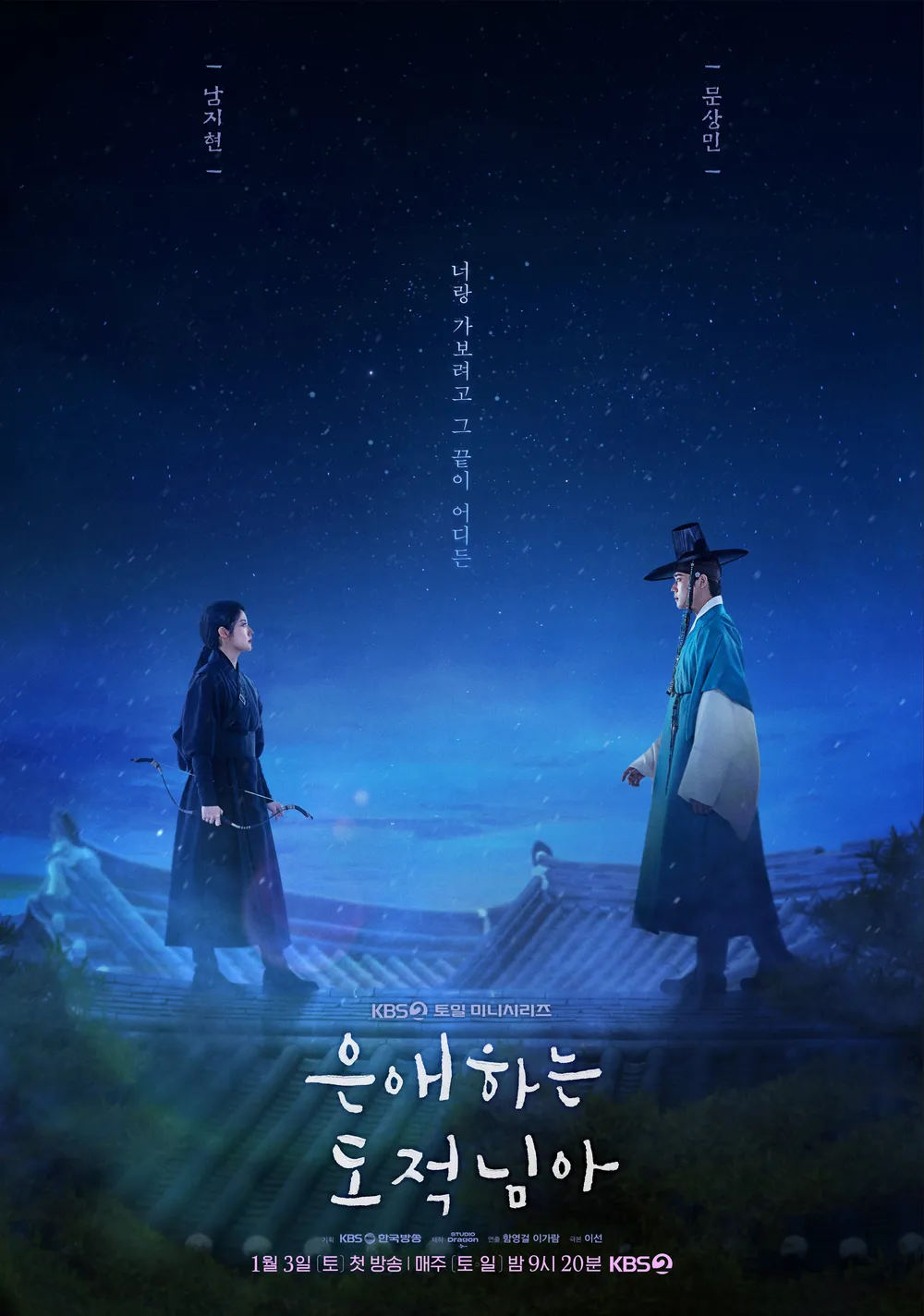
Beneath the moonlit skies of Joseon, a woman sheds her healer's robes and dons a thief's mask. By day she tends to the suffering of the common people; by night she raids the storehouses of corrupt officials to ease their burdens. Her name is Hong Eun-jo. And when a mystical bracelet swaps her soul with that of Prince Yi Yeol — the very man hunting her down — To My Beloved Thief races toward the most exhilarating and emotionally rich territory a Korean historical drama has ever explored.
A Female Hong Gil-dong: The Ultimate Subversion
Every Korean knows the tale of Hong Gil-dong. But what if the legendary hero were a woman? That audacious question is exactly where To My Beloved Thief begins. Hong Eun-jo — physician by trade, righteous outlaw by calling — is drawn as one of the most proactive and self-determined female characters to ever inhabit a Joseon-era story. Her thievery is no mere crime; it is an act of resistance against a corrupt ruling class and a declaration of love for the people.
What makes this premise truly special is that beneath its fantastical trappings lies a message with real weight. The contradictions of the caste system, the tyranny of unchecked power, and solidarity with the vulnerable — these are heavy themes, yet writer Lee Seon channels them through the grammar of romantic comedy. In doing so, she strips away the brooding darkness that so often defines period dramas and delivers a story that is genuinely accessible to everyone.
What You Can Only See After Switching Souls
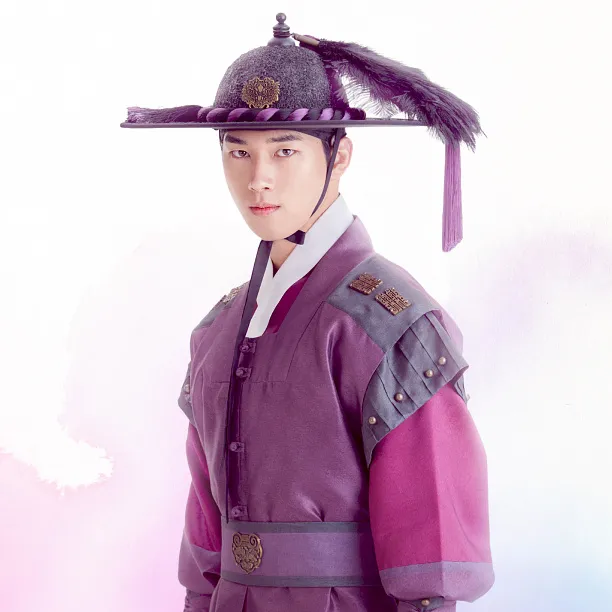
The central device of To My Beloved Thief is a body swap. One day, Grand Prince Yi Yeol — accustomed to sleeping under silk covers in the royal palace — wakes up in a cramped room in the slums, while Hong Eun-jo, who has lived and breathed the pain of the people, suddenly finds herself wielding the authority of the royal court. This setup goes far beyond a simple comedy gimmick: it gifts the audience a view of the world's truths that can only be seen from the other person's vantage point.
Experiencing the slums in the prince's body, Yi Yeol feels firsthand just how harsh life is for ordinary people. Eun-jo, meanwhile, comes to understand the power struggles inside the palace and the loneliness that has isolated Yi Yeol within it. This is precisely where love takes root. A profound empathy born from literally living each other's lives — that is the most beautiful condition for romance this drama has to offer.
The Two Faces of Nam Ji-hyun
It would be no exaggeration to say that the success of this drama rested squarely on Nam Ji-hyun's shoulders. When Yi Yeol's soul inhabits Eun-jo's body, the actress faces an extraordinarily demanding challenge: portraying a completely different person behind the same face. Nam Ji-hyun pulls it off with remarkable precision. The sharp, resolute gaze she wears as Eun-jo gives way to bewildered yet dignified mannerisms when channeling Yi Yeol's spirit — and viewers become so immersed that they forget the same actress is behind both performances.
Opposite her, Moon Sang-min brings an effortless, youthful charm to Grand Prince Yi Yeol, completing a magnetic on-screen chemistry with Nam Ji-hyun. The scenes where the two mimic each other's habits and speech patterns while body-swapped are standout moments that showcase both actors' meticulous character work. Adding further layers of tension to the quartet dynamic, Hong Min-gi portrays Im Jae-yi and Han So-eun takes on Shin Hae-rim.
Songs That Echo Beneath Joseon's Moonlight
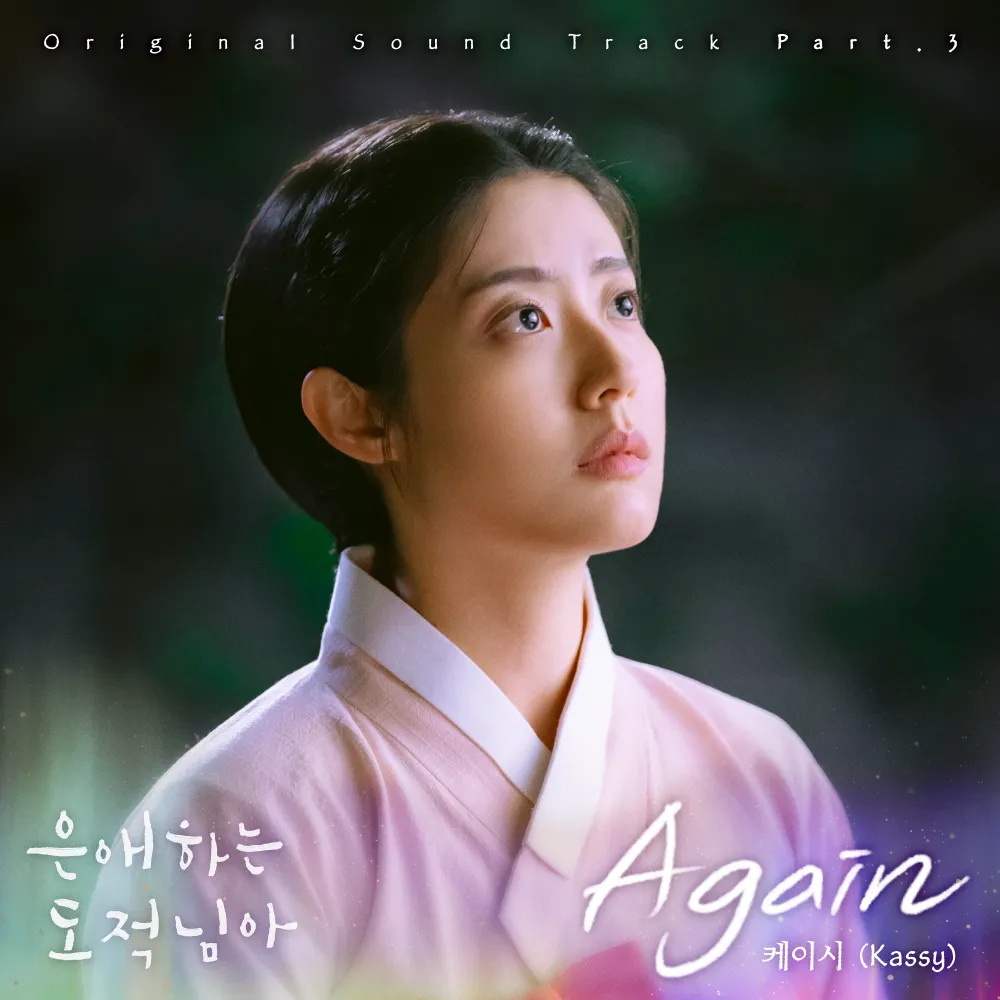
Among the eight-track OST, the first song to captivate listeners is Juwang's "뭔가 잘못된 것 같아." The title alone captures the bewilderment of characters whose souls have been switched, and lyrics like "The whole world is you — even when I close my eyes, I can only see you" perfectly channel the dizzy thrill of falling in love.
뭔가 잘못된 것 같아 — 주왕
Loving You — 하성운
사랑한다 말할 수 있을까 — 정승환
Ha Sung-woon's "Loving You" wraps the pure emotion of a love blossoming beneath Joseon's night sky in gentle warmth. The lyric "You bloom fully in my heart like a flower" surfaces each time Eun-jo and Yi Yeol's bond deepens, never failing to bring viewers to the verge of tears. Ha Hyun-sang's "Seen the Scene," composed entirely in English, conjures a dreamlike atmosphere of replaying the moment of parting over and over, adding profound emotional weight to the drama's later episodes.
From Child Actors to Adults — A Story Shaped by Time
Another of To My Beloved Thief's great strengths is its young cast. Kim Yun-seul as the young Hong Eun-jo, Park Hu as the boy Yi Yeol, and Go Ye-jun as the young Im Jae-yi each foreshadow their adult counterparts with astonishing precision. The scene in which young Eun-jo first chooses the path of the righteous outlaw is particularly powerful — it reveals where the seed of the sense of justice that runs through the entire drama was first planted, giving the adult storyline a deep emotional foundation.
The transformation of a childhood friendship into adult love is not simply the result of time passing; it is the product of individual wounds and growth layered one upon another. In this regard, To My Beloved Thief harbors the deep roots of a coming-of-age narrative beneath the light exterior of a romantic comedy.
Expanding the Boundaries of the Period Drama
Directors Ham Young-geol and Lee Ga-ram move effortlessly between the formality of the period genre and the rhythm of comedy. The seamless transitions — from the solemn grandeur of the royal palace to the bustling energy of the slums, from action sequences to romantic moonlit scenes — keep all 16 episodes free of a single dull moment. Choi Won-young's portrayal of Im Sa-hyeong and his calculated villainy, Ha Seok-jin as Yi Gyu, and Kim Jeong-nan as the Queen Dowager add the tension of palace intrigue, rounding out a multilayered story that transcends the simple romance-sageuk formula.
Released worldwide via Netflix and Rakuten Viki, the drama showcases a seamless blend of Korean sensibility and modern storytelling. A subversive reimagining of Hong Gil-dong as a woman, a fantasy body-swap device, and the warm humanism woven throughout — To My Beloved Thief proves that a period drama can be this delightful and this moving, throwing wide open the doors to a new era for K-sageuk.
To My Beloved Thief | Netflix, Rakuten Viki | 2026 | 16 Episodes | Directors: Ham Young-geol, Lee Ga-ram | Writer: Lee Seon | Studio Dragon
